RECENT POSTS
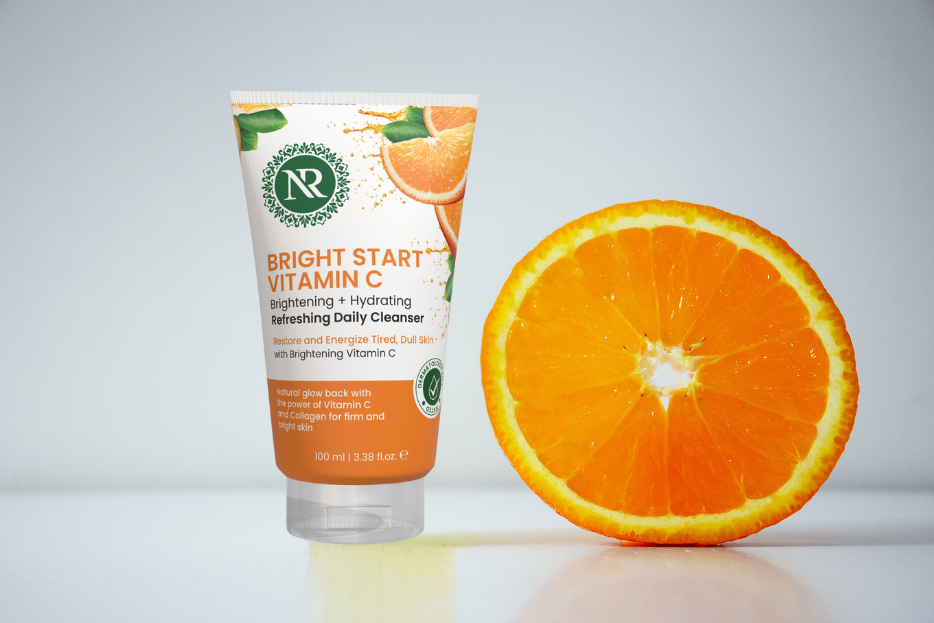


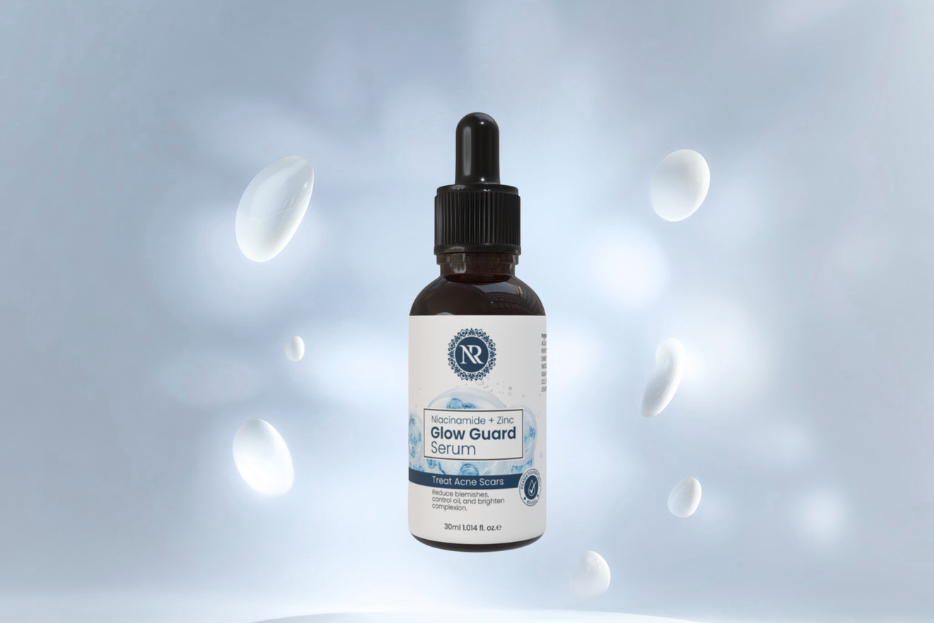

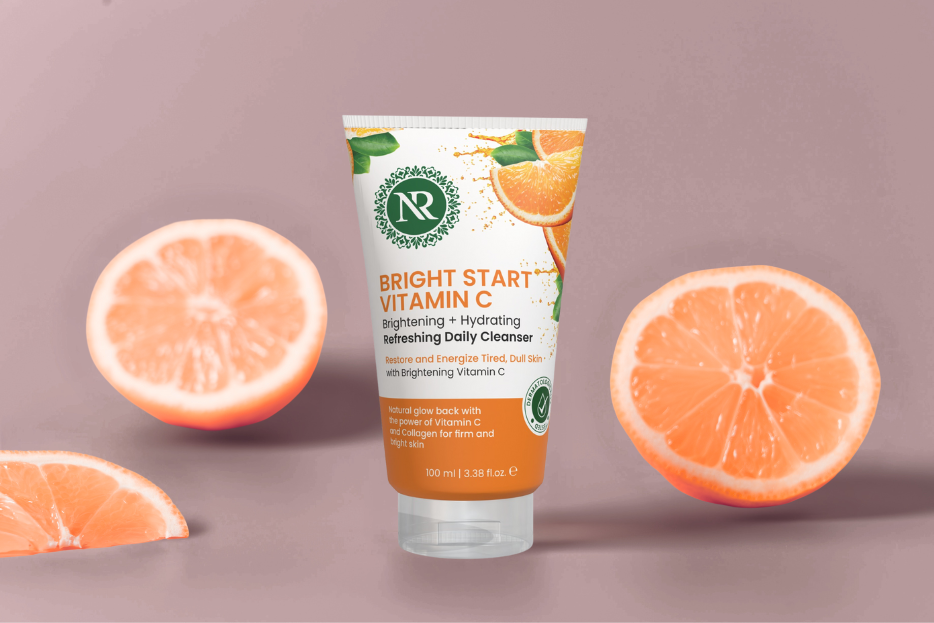
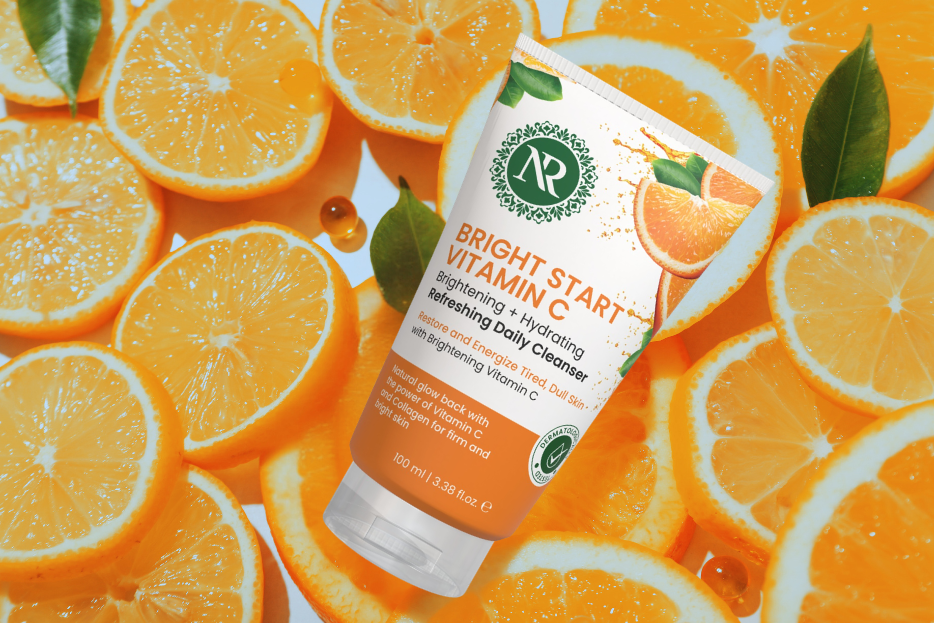
Does Vitamin C Face Wash Really Brighten Skin?
Vitamin C has earned its place as one of the most trusted ingredients in skincare. Backed by decades of dermatological research, it is widely recommended for improving skin radiance, reducing signs of environmental damage, and supporting collagen production.
However, when Vitamin C appears in a rinse-off cleanser, an important question arises:
Does it meaningfully brighten skin, or is its impact limited by short contact time?
Does Vitamin C Face Wash really work as it is claimed to be?
To answer that responsibly, we need to examine experience, clinical evidence, professional guidance, and realistic expectations.
1. What People Typically Notice in Real-World Use
From patient feedback and consumer reviews, most individuals using a Vitamin C face wash report that their skin feels:
- Cleaner and fresher
- Less greasy
- Visibly more radiant immediately after washing
- More “awake” or clarified
This immediate brightness effect is largely due to the removal of surface debris, oil, sweat, pollution particles, sunscreen residue, and dead skin cells, all of which contribute to dullness.
In urban environments, especially, pollutants accumulate on the skin throughout the day. A well-formulated cleanser can effectively remove this buildup, allowing natural light reflection from the skin surface to improve. When skin reflects light more evenly, it appears brighter.
However, this should not be confused with structural pigment reduction. The glow many users see is typically optical and surface-level, not a deep biological lightning effect.
2. What Science Says About Vitamin C and Brightening
Vitamin C (particularly L-ascorbic acid and certain stable derivatives) is well documented in dermatological literature for:
- Neutralizing free radicals
- Reducing oxidative stress caused by UV radiation and pollution
- Supporting collagen synthesis
- Inhibiting tyrosinase, the enzyme involved in melanin production
When applied in properly formulated, leave-on concentrations (usually 10–20% L-ascorbic acid or equivalent derivatives), Vitamin C can gradually improve uneven tone and hyperpigmentation over time.
However, cleansers differ significantly from serums in one critical way: contact time.
Most face washes remain on the skin for 30–60 seconds before being rinsed off. This limited exposure reduces the opportunity for:
- Deep penetration into the epidermis
- Sustained antioxidant activity
- Measurable inhibition of melanin production
Additionally, some forms of Vitamin C are unstable in water-based environments, and cleansers are typically water-heavy formulations. Stability and bioavailability, therefore, become important considerations.
In summary, while Vitamin C is scientifically validated for brightening, the cleanser format restricts the extent of those effects.
3. What Dermatologists Commonly Recommend
In clinical practice, dermatologists typically position Vitamin C cleansers as:
- A supportive antioxidant cleansing step
- A preparation phase before leave-on active treatments
- A gentle way to enhance overall routine consistency
For patients seeking noticeable pigment reduction or long-term tone improvement, dermatologists often recommend:
- A stabilized Vitamin C serum applied daily
- Broad-spectrum sunscreen (SPF 30 or higher)
- Additional targeted treatments when necessary
Sun protection is especially critical. Without daily sunscreen use, oxidative damage and UV-induced pigmentation will continue to develop, undermining any brightening strategy.
Thus, professional consensus generally views Vitamin C face wash as part of a layered system, not a standalone corrective solution.
4. Clear, Balanced Consumer Guidance
To provide a realistic and trustworthy conclusion, here is what a Vitamin C face wash can and cannot do:
It Can:
✔ Remove impurities that cause dullness
✔ Improve immediate surface radiance
✔ Provide mild antioxidant exposure during cleansing
✔ Complement a broader brightening routine
It cannot:
✘ Fade deep hyperpigmentation on its own
✘ Deliver collagen stimulation comparable to serums
✘ Replace leave-on antioxidant treatments
✘ Override the effects of unprotected sun exposure
Consumers should also evaluate formulation quality. Look for:
- Stable Vitamin C derivatives (e.g., Sodium Ascorbyl Phosphate)
- Non-stripping cleansing agents
- Skin-barrier-supporting ingredients
- Transparent ingredient labeling
A cleanser that disrupts the skin barrier may temporarily increase sensitivity and actually worsen dullness over time.
Conclusion
A Vitamin C face wash can contribute to brighter-looking skin, primarily by improving surface clarity and supporting antioxidant defense during cleansing.
However, its impact remains adjunctive rather than corrective.
For individuals seeking measurable improvements in pigmentation or long-term radiance, the most effective approach includes:
- Gentle antioxidant cleansing
- A stabilized Vitamin C serum
- Consistent daily sunscreen
- Patience and routine adherence
Brightening is not the result of a single product. It is the outcome of cumulative, evidence-based skincare habits practiced consistently over time.