
Shopping Cart
- (+92) 323 4911777
- info@najeebr.com
- Lahore, Punjab, Pakistan.
© 2025 NajeebR. DESIGNED BY RehmanSoft.
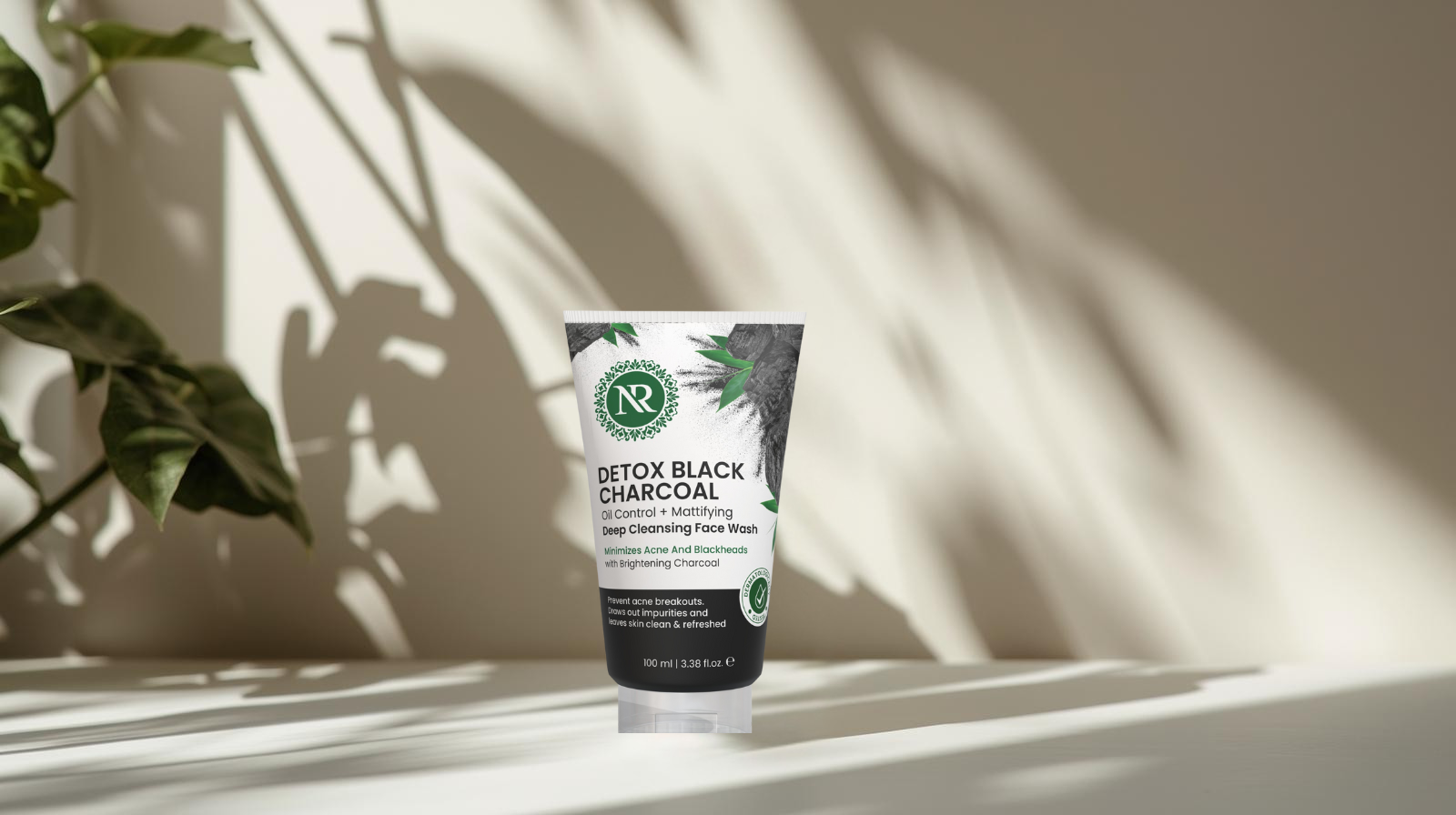
What is Charcoal Face Wash, and Why It Works Well in Pakistan?
Activated-charcoal face washes use porous charcoal to bind oil, dirt and surface pollutants, helping to clarify oily, congested and pollution-exposed skin. In Pakistan, with its heat, humidity in some regions, and urban smog in others, charcoal cleansers can be a useful part of a weekly routine for oily or combination skin. They’re not a cure-all: use them correctly, choose gentle formulas, and avoid over-stripping dry or sensitive skin.
The situation: skin under strain in Pakistan
Walk down a busy street in Karachi, Lahore, or Islamabad, and you feel it on your face, dust in the air, exhaust and construction grime, sweat on a hot day. Even in milder cities, seasonal smog, humid summers, and hard water in many areas mean your skin is constantly exposed to clogging particles and excess oil. Over time, that leads to dullness, blackheads, breakouts, and a heavy, tired look.
That’s the problem that many people reach for charcoal cleansers to solve: a simple, daily tool to remove the surface build-up quickly and efficiently, leaving skin feeling cleaner without an extra scrub.
What exactly is a charcoal face wash?
A charcoal face wash is a facial cleanser that contains activated charcoal (sometimes called activated carbon) as a key ingredient. Activated charcoal is produced by heating charcoal in the presence of a gas that ‘activates’ it, creating a highly porous material with a large surface area. Those pores can adsorb (bind to) oils, dirt, sebum and some impurities on the skin’s surface.
In a face wash, activated charcoal is combined with surfactants (cleansing agents), humectants (moisture-retaining agents), and other actives (like salicylic acid, niacinamide or botanical extracts) to create a product that foams or gels off while carrying away surface debris.
Important note: topical charcoal adsorbs surface particles. It is not an internal detox and does not remove oils or toxins from inside the body, only from the outer skin layers.
How charcoal face washes work?
- Adsorption vs absorption: Charcoal adsorbs. That means oils, dirt and micro-particles stick to its surface pores instead of being absorbed into it. This makes it effective at picking up surface grit and excess sebum.
- Cleansing synergy: The surfactants in a wash lift grime; charcoal then helps capture and hold the particles so they rinse away.
- Pore assistance: By removing surface oil and debris consistently, charcoal can reduce the appearance of clogged pores and blackheads over time, especially when paired with mild chemical exfoliants like salicylic acid.
- Not a deep extractor: Charcoal is good at surface clearance but won’t “pull” deep-seated oils from inside pores the way a medical extraction might. Regular, gentle use is the key.
Why charcoal face wash is particularly useful in Pakistan
- Pollution and smog: Urban air in major Pakistani cities often contains fine particulate matter (PM2.5/PM10) from traffic and industry. Charcoal helps capture surface particles that otherwise cling to skin after a day outside.
- Heat and sweat: Hot weather increases sebum production. Charcoal face wash can help keep oil levels in check without daily heavy scrubbing.
- Humidity and combination skin: In humid climates, many people experience oily T-zones and sticky skin. Charcoal can mattify the surface and make skin feel fresher.
- Seasonal dust and construction: Frequent dust storms or nearby construction means more surface dirt. A charcoal wash is an efficient way to remove that layer without harsh mechanical exfoliation.
- First-aid for congestion: For those with clogged pores and occasional breakouts, common in oilier skin types, charcoal cleansers paired with a salicylic acid toner can help keep pores clearer.
Also Read Article: Charcoal Face Wash: Benefits, Uses, and Best Picks for Clear Skin
Who benefits most and who should be cautious?
Good candidates:
- Oily and combination skin types
- People living in cities with high pollution or frequent dust
- Those who wear makeup or sunscreen daily and need effective rinsing
- People who want occasional deeper surface cleansing (2–3x/week)
Use cautiously or avoid:
- Dry, flaky, or very sensitive skin; charcoal can be drying if the formula uses strong surfactants.
- Those with eczema or rosacea, test first and consult a dermatologist.
- Overusers: daily heavy use or harsh scrubs will strip skin, damaging the barrier and causing rebound oiliness.
How to choose a charcoal face wash in Pakistan
When shopping, online or in-store, look beyond the “charcoal” label. Consider formulation and supporting ingredients:
1. Mild surfactants: Avoid strong sulfates (e.g., sodium lauryl sulfate) if you have dry or sensitive skin. Look for gentler cleansers labeled SLES-free or using cocamidopropyl betaine, decyl glucoside, etc.
2. Supporting actives:
- For acne-prone skin: salicylic acid (BHA) helps clear pores.
- For hydration balance: glycerin, hyaluronic acid or panthenol to prevent over-drying.
- For calming inflammation: niacinamide, aloe vera or centella asiatica.
3. pH-balanced: A cleanser close to skin’s natural pH (~5.5) is gentler and preserves the barrier.
4. Avoid unnecessary harshness: If a product promises “instant peel” or uses abrasive beads, skip it; those are often too aggressive.
5. Local availability & authenticity: Buy from reputable pharmacies, branded counters, or trustworthy online sellers to avoid counterfeit or expired products.
How to use a charcoal face wash (effective routine)
Daily basics:
- Wet your face with lukewarm water.
- Apply a pea-sized amount and gently massage in circular motions for 30–60 seconds; focus on oily zones (nose, forehead, chin) but be kind to cheeks.
- Rinse thoroughly and pat dry.
- Follow with a lightweight hydrating serum or moisturizer and daily sunscreen in the morning.
Frequency: For oily/combination skin: 2× daily is usually fine. For normal skin: once daily or every other day. For dry/sensitive skin: 1–3× per week.
Add-ons for congestion: Use a chemical exfoliant (salicylic acid 1–2%) 2× weekly and a hydrating moisturizer afterward. Don’t mix multiple strong actives in the same session.
Night routine: Cleanse, treat (serum/spot treatment if needed), moisturise. Charcoal is a good evening step after a day exposed to pollution.
A practical Pakistani routine: city vs. coastal vs. dry plains
- Urban (Lahore, Karachi, Islamabad): AM — gentle cleanse with charcoal if you have oily T-zone, moisturizer, SPF. PM — double-cleanse if heavy makeup/sunscreen: oil/balm first, then charcoal wash to remove pollution and sweat.
- Humid/coastal (Karachi, Gwadar): Use charcoal sparingly if your skin is already damp/oily; prefer lightweight gel formulas and moisturizers with humectants.
- Arid/dry plains (parts of Balochistan, interior Sindh): Limit charcoal use to 2–3×/week and prioritise nourishing moisturizers and barrier-repair ingredients.
Common mistakes and how to avoid them
- Using too often: Overwashing removes natural oils and weakens the barrier. Stick to recommended frequency.
- Pairing with harsh scrubs: Charcoal + physical abrasion = irritation. Instead use gentle chemical exfoliants if needed.
- Skipping sunscreen: Clean skin is more vulnerable, always finish mornings with SPF.
- Ignoring patch tests: Try the product behind your ear or on the jaw for 48 hours if you have reactive skin.
Your questions
Will charcoal remove deep blackheads?
It helps dislodge surface oil and grime and can reduce the look of clogged pores, but deep extractions or professional treatments may still be needed for persistent blackheads.
Can I use charcoal every day?
Depends on your skin. Oily types can often use it daily; dry/sensitive skin should limit use to a few times per week.
Is activated charcoal safe for acne?
Safe as part of a routine, especially paired with proven actives like salicylic acid and niacinamide. Avoid over-drying treatments that cause rebound oil.
Does charcoal whiten or detox skin permanently?
No. It cleanses and brightens by removing surface buildup; it does not change skin tone or internal “toxins.”
Final word: be practical, not mythical
Charcoal face washes are a useful tool, especially in Pakistan’s varied climates and pollution levels, for anyone whose skin is exposed to environmental build-up, excess oil, or occasional congestion. They work best as part of a considered routine: choose gentle formulas, respect your skin’s limits, pair with moisturizers and sunscreen, and use them strategically rather than as a miraculous daily cure.
If you have persistent acne, sensitive skin, or a skin condition, speak to a dermatologist before changing your routine. Otherwise, a well-chosen charcoal cleanser can help your skin look cleaner, feel fresher, and handle the grind of urban life, day after day.
Tag:
Share
Share on facebook
Share on twitter
Share on linkedin
Categories
Popular Post
October 27, 2025
October 24, 2025
October 17, 2025
Instagram



Tags

© 2025 NajeebR. DESIGNED BY RehmanSoft.


© 2022 Enzian. DESIGNED BY LA-STUDIO