Finding your signature perfume is a deeply personal journey that intertwines scent with self-expression. It’s about discovering a fragrance that resonates with your personality, evokes cherished memories, and becomes an integral part of your identity. Here’s a comprehensive guide to help you navigate this aromatic adventure.
What Is a Signature Perfume?
A signature perfume is more than just a pleasant aroma; it’s a scent that encapsulates your essence. It’s the fragrance others associate with you, leaving a lasting impression and evoking memories even in your absence. This unique scent becomes a subtle yet powerful extension of your personality.
Step 1: Understand Fragrance Notes and Families
Perfumes are composed of various notes that unfold over time:
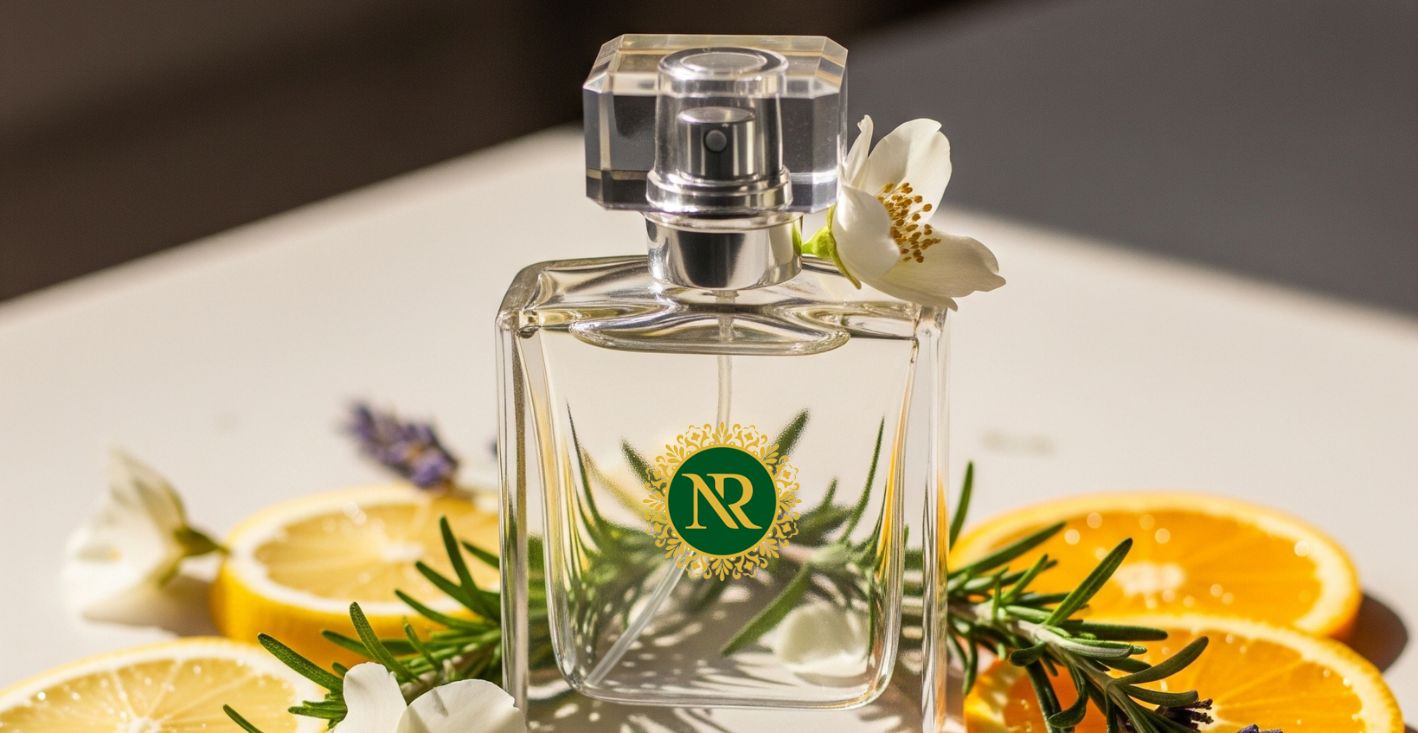
- Top Notes: The initial impression, often light and refreshing (e.g., citrus, herbal).
- Heart (Middle) Notes: The core of the fragrance, providing depth (e.g., floral, spicy).
- Base Notes: The lasting foundation, rich and enduring (e.g., woody, musky).
Fragrances are categorized into families based on their dominant characteristics:
- Floral: Rose, jasmine, peony.
- Woody: Sandalwood, cedar, patchouli.
- Oriental: Vanilla, amber, spices.
- Fresh: Citrus, green, aquatic.
- Gourmand: Sweet, edible notes like chocolate or caramel.
Understanding these can help you identify which scents align with your preferences.
Step 2: Explore and Test Different Scents
Embark on a sensory exploration:
- Sample Variety: Visit perfume boutiques or use discovery sets to experience a range of fragrances.
- Skin Test: Apply perfumes to your pulse points and observe how they evolve over hours.
- Limit Testing: Try no more than 3-4 scents at a time to avoid olfactory fatigue.
- Avoid Coffee Beans: Contrary to popular belief, sniffing coffee beans may not reset your sense of smell effectively.
Remember, a fragrance can smell different on your skin due to body chemistry, so personal testing is crucial.
Step 3: Reflect on Your Lifestyle and Preferences
Consider how your daily life influences your scent choice:
- Occasion: Do you need a versatile scent for work and leisure, or different ones for each?
- Season: Light, fresh scents suit summer, while warm, spicy ones are ideal for winter.
- Personality: Are you drawn to bold, attention-grabbing fragrances or subtle, intimate ones?
Your signature scent should complement your lifestyle and personal style.
Step 4: Trust Your Instincts and Emotions
Fragrance is deeply tied to emotion and memory. Pay attention to how a scent makes you feel:
- Confidence: Does it empower you?
- Comfort: Does it soothe or uplift your mood?
- Connection: Does it evoke pleasant memories or associations?
Choosing a perfume that elicits positive emotions ensures a lasting bond with your signature scent.
Step 5: Keep a Fragrance Journal
Document your fragrance journey:
- Notes: Record the names, notes, and your impressions of each scent tested.
- Reactions: Note any compliments or feedback received.
- Preferences: Identify patterns in the scents you enjoy.
This practice helps you narrow down choices and recognize your true preferences.
Step 6: Understand Fragrance Concentrations
Perfumes come in varying concentrations, affecting their longevity and intensity:
- Parfum (Extrait de Parfum): Highest concentration, long-lasting.
- Eau de Parfum (EDP): Strong and enduring, suitable for daily wear.
- Eau de Toilette (EDT): Lighter, ideal for casual or daytime use.
- Eau de Cologne (EDC): Very light, refreshing, and short-lived.
Choose a concentration that aligns with your needs and preferences.
Step 7: Apply and Store Your Perfume Properly
Maximize your perfume’s performance:
- Application: Spray on pulse points like wrists, neck, and behind ears. Avoid rubbing, as it can alter the scent.
- Layering: Use matching body lotions or oils to enhance longevity.
- Storage: Keep perfumes in a cool, dark place away from direct sunlight to preserve their integrity.
Final Thoughts
Finding your signature perfume is a journey of self-discovery. It’s about connecting with a scent that feels inherently ‘you.’ Take your time, trust your senses, and enjoy the process. Once found, your signature scent will be a cherished part of your identity, leaving a lasting impression wherever you go.